
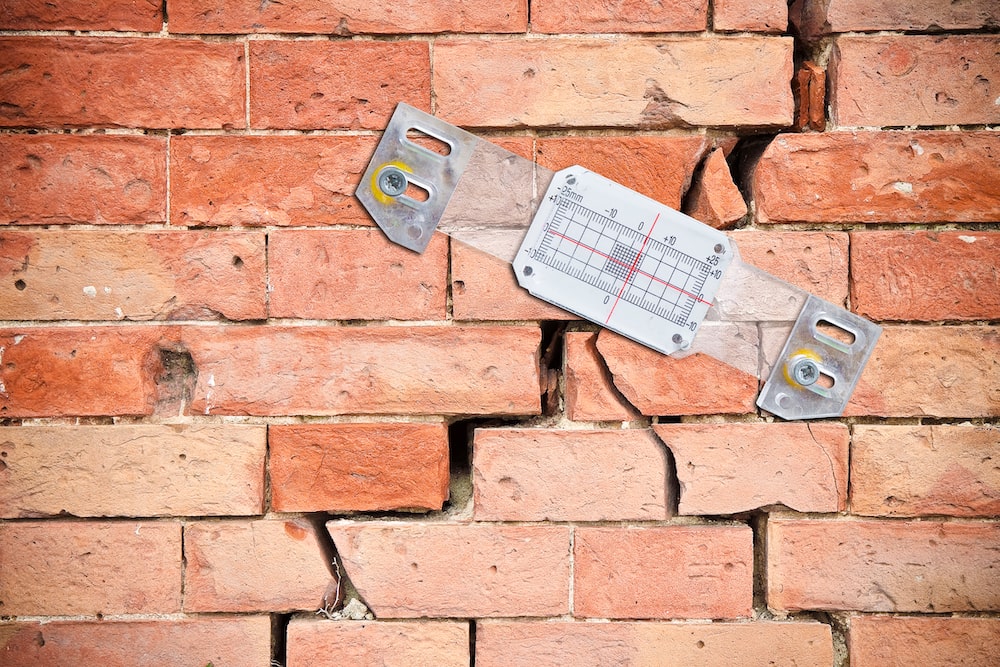
Noticing a crack or other defect in your property can raise immediate concerns about structural problems. However, the issue may not be as serious as you fear. We know cracks can be signs of serious structural movement in houses, but they can also simply be a case of non-structural cosmetic damage, which is relatively inexpensive to repair.
It’s worth knowing the difference between cosmetic damage and structural damage to put your mind at rest. As structural surveyors, we’re always on hand to help diagnose an issue and to get you started, we’ve put together this guide to help tell the difference between serious problems and those simply needing a little DIY.
What is cosmetic damage?
The majority of cracks are superficial defects that do not affect the property’s structural integrity. This means your house is not falling apart and you can put your mind at rest.
Examples of cosmetic damage include:
- Hairline plaster cracks
- Minor shrinkage cracks
- Peeling paint
- Scuffed walls
- Small settlement cracks
- Worn sealant around windows/bathrooms/kitchen fittings
- Slightly uneven floors in older homes
Cosmetic issues are very common, especially in older properties. All buildings expand and contract due to natural variations in temperature. Building material components expand and contract at varying rates, meaning that cracking can occur as a result of natural, minor organic movement of the building.
What are structural problems?
While most cracks are nothing to worry about, some are signs of structural movement in houses that need professional investigation. The stability or load-bearing parts of a building may be compromised.
Signs of structural problems in houses include:
- Large diagonal cracks
- Cracks wider than 5mm
- Doors/windows are sticking suddenly, or the frames have visibly distorted out of square
- Sloping or springy floors
- Gapping at skirting junctions between walls and floors
- Bulging walls
- Roof spread (where the top of the walls move outward)
- Significant movement between an extension and the original property
Structural problems require professional assessment to diagnose the cause of the cracking/distortion and ensure that appropriate remedial action is specified.
What causes structural problems?
There are various causes of structural problems, e.g.:
- Subsidence
When the ground beneath a building sinks, making foundations uneven.
- Poor foundations
A building relies upon strong, level foundations. If yours are compromised, the building above may face damage.
- Tree roots
Roots that grow beneath a building can push against foundation walls and/or draw in moisture, making the ground unstable. In turn, this causes subsidence.
- Water damage
Water can cause damage in different ways. It can wash away soil beneath a house, leaving air pockets and making foundations collapse. It can cause the Earth to swell, increasing pressure and damaging structures. It can soak into concrete and freeze/thaw, damaging the structure over time.
- Drainage problems
Any issues with drainage can lead to all the water damage problems mentioned above.
- Inadequate alterations
Alterations to a property which exceed the capabilities of the foundations may lead to structural problems, for example attic conversions where additional load bearing floors are incorporated onto the original walls and foundations of a property.
- Roof spread
If a roof framework lacks the necessary restraint members, its own weight can cause the angled rafters to push out and damage supporting walls.
When should I seek professional advice?
A professional, experienced Chartered Building Surveyor will be able to help diagnose the cause of any concerning cracks or other signs you’ve noticed. A Limited Defect Report looks into a single issue, while pre-purchase Level 2 and Level 3 surveys cover the whole property.
If in doubt, ask your surveyor for advice, especially if:
- Cracks worsen over time
- Doors/windows stop closing properly
- There are multiple warning signs together
- The property is older or has been heavily altered
- You are buying a property and are unsure about visible movement
This guide gives an insight into what surveyors look for when assessing cracks in a building.
Why a property survey matters
A Chartered Building Surveyor has the skill and experience to determine when damage is cosmetic or structural. This helps you make important decisions such as whether to buy a property; whether you need urgent, professional repair work; whether to notify your insurer; expected costs for repairs; or whether you can ignore a small defect/carry out cosmetic repairs yourself.
Structural issues are not always serious or reasons to walk away from a house purchase, but it is certainly worth understanding the cause so you can put your mind at rest/take appropriate action.
Checklist of key warning signs to look out for
As a handy guide, these are your top warning signs for structural problems in houses:
Potential warning signs:
- Cracks that continue through the brickwork externally and internally
- Cracks passing through the damp proof course level and below
- Tapered cracks (wider at one end)
- New cracks are appearing suddenly
- Gaps around windows/doors
- Rippling wallpaper from movement
- Uneven or dipping floors
- Chimney movement
- Distorted roof surfaces and timbers
If you spot any of the above subsidence warning signs, ask a trusted Chartered Surveyor to help diagnose the problem.
Find out more
Many cracks and defects in properties are cosmetic and nothing to worry about. However, some indicate serious problems that require professional investigation. This article goes into more detail about types of cracks and what they can mean, but for clarity and peace of mind, it’s sensible to talk to a professional surveyor.
If you’d like to arrange a survey, have any questions or need advice, please get in touch. At Trinity Rose, our team of Chartered Surveyors will be happy to help