
To:

News

roof with solar panels

Buying a property with solar panels? Here is what your survey needs to check

When property hunting, you might not initially pay much attention to what’s on a house’s roof. However, buying a house with solar panels can cause more complications than you realise. While solar panels can be a huge asset and are becoming increasingly common in Hampshire, Dorset and West Sussex, you should consider potential complexities such as structural issues and who retains ownership of the equipment. Today we are looking at the pros and cons of buying a house with solar panels and what you should do when considering your property options. Owned vs leased panels and why it matters enormously The first thing to understand is who actually owns the panels on a property’s roof. You may think they simply belong to the homeowner, but leased panels (historically common via schemes in the government’s Feed-in Tariff era) can mean a third party retains rights to the equipment. When the homeowner signs a lease agreement, they legally commit to allowing the solar company to: Install and maintain the panels Access the roof for repairs Receive the feed‑in tariff (FIT) income Have rights to approve roof repairs/loft conversions/extensions The lease term is typically 25 years and, if you buy a property with leased solar panels, you must take on the remaining lease. How to check if solar panels are leased Ask the seller The seller should provide relevant documents if panels are leased such as the lease agreement, the installations certificate, the FIT registration. You can also check the Land Registry. Sometimes the EPC (which must legally be provided) states “panels owned by third party” or similar. Your solicitor/conveyancer will also carry out checks and confirm the terms of any lease. Mortgage implications of leased panels Having leased solar panels can make getting a mortgage challenging. Lenders may be put off by the solar company having too much control over the roof; the lease may prevent the lender taking possession of the property; and the lease may not be compliant with UK Finance guidelines. Buying a house with solar panels? Here is what you need to check If you are keen to buy a house with solar panels, a relevant property survey will cover the panels themselves. Your surveyor will check: Age and condition of the panels Quality of the installation – was it done by an MCS-certified installer? Whether the installation has affected the waterproof roof covering beneath Condition of mounting brackets, fixings and flashing Whether the installation complies with permitted development rules or requires planning permission House survey for solar panels – structural and roof considerations Your property surveyor will check for any structural issues caused by the addition of solar panels to a roof.  This helps you better understand what you could be taking on and may affect your decision to purchase. Solar panels add significant load to a roof. Your surveyor will investigate whether the roof structure was assessed before installation and check for signs of deflection, sagging or stress. This is a particular concern for older, pre 1950s roof structures.  Electrical and inverter checks Aside from the physical panels adding load to a roof, your surveyor will also look into the possibility of electrical/inverter problems: The inverter is the component most likely to need replacing – it has a much shorter lifespan than the panels themselves. They will check for EIC/MCS documentation, i.e. whether the electrical installation has been certified. They will look into whether changes to the consumer unit were made properly. Note: While a surveyor will flag any concerns, a qualified electrician would be needed for a full assessment. Warranties, documentation and Feed-in Tariff With the installation of solar panels and the associated agreements, there is a collection of documents that you should check: Performance warranties (often 25 years on panels, 10 on inverters) Whether warranties are transferable to the new owner Can the Feed-in Tariff be transferred and if so, what is the process? What are the lease terms and in particular, the costs (for example, are there escalating costs stated in the lease) What will it cost to buy the equipment from the lease company at the end of the term? What are the cost implications if I want to end the lease early? If any of the key documents are missing, the seller should ask the solar company for replacement documents. If the company no longer exists/the documents are still unavailable, you can arrange an independent solar panel inspection to confirm correct installation, and inverter age and condition. For leased panels If lease documents cannot be procured from the seller or solar company, it may be impossible to obtain a mortgage and/or the sale will stall. For owned panels Missing documents are less serious, but you may lose warranty cover or be unable to claim FIT payments; you may need an electrical safety check, and you should consider indemnity insurance. Get in touch While buying a house with solar panels can seem daunting, they can be a very positive feature. The important thing is to do your research to ensure there are no legal, cost or structural concerns, so that you may contemplate the purchase whilst fully understanding your potential responsibilities/restrictions. If you need any help with choosing an appropriate survey or just have a few questions, we are here to support you. Please get in touch with our team of RICS surveyors to book a survey or find out more.
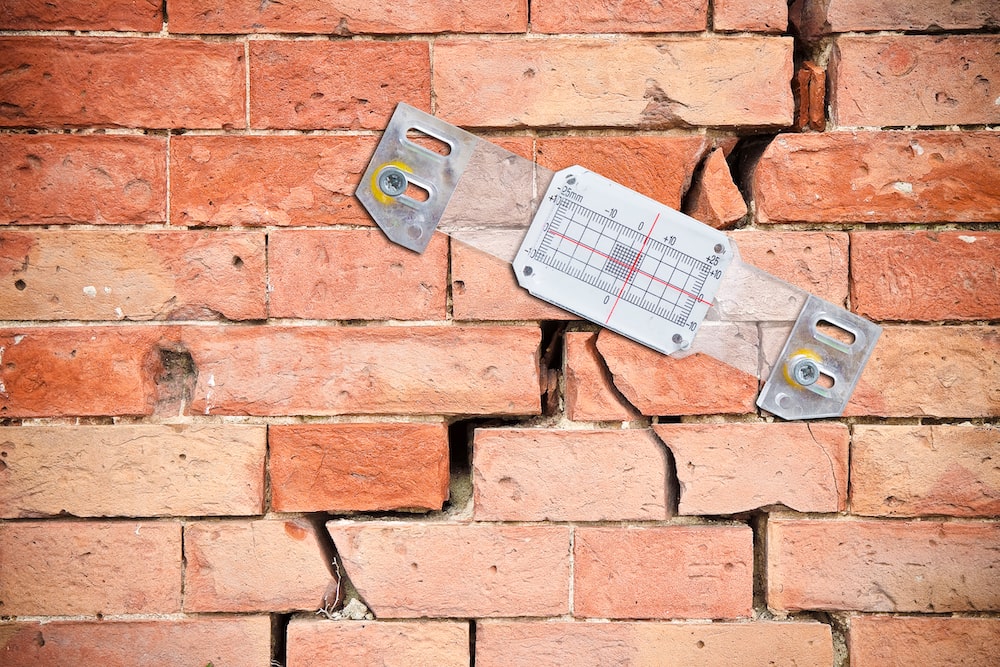

subsidence

The difference between cosmetic damage and structural problems

Noticing a crack or other defect in your property can raise immediate concerns about structural problems. However, the issue may not be as serious as you fear. We know cracks can be signs of serious structural movement in houses, but they can also simply be a case of non-structural cosmetic damage, which is relatively inexpensive to repair. It’s worth knowing the difference between cosmetic damage and structural damage to put your mind at rest. As structural surveyors, we’re always on hand to help diagnose an issue and to get you started, we’ve put together this guide to help tell the difference between serious problems and those simply needing a little DIY. What is cosmetic damage? The majority of cracks are superficial defects that do not affect the property’s structural integrity. This means your house is not falling apart and you can put your mind at rest. Examples of cosmetic damage include: Hairline plaster cracks Minor shrinkage cracks Peeling paint Scuffed walls Small settlement cracks Worn sealant around windows/bathrooms/kitchen fittings Slightly uneven floors in older homes Cosmetic issues are very common, especially in older properties.  All buildings expand and contract due to natural variations in temperature. Building material components expand and contract at varying rates, meaning that cracking can occur as a result of natural, minor organic movement of the building. What are structural problems? While most cracks are nothing to worry about, some are signs of structural movement in houses that need professional investigation. The stability or load-bearing parts of a building may be compromised. Signs of structural problems in houses include: Large diagonal cracks Cracks wider than 5mm Doors/windows are sticking suddenly, or the frames have visibly distorted out of square Sloping or springy floors Gapping at skirting junctions between walls and floors Bulging walls Roof spread (where the top of the walls move outward) Significant movement between an extension and the original property Structural problems require professional assessment to diagnose the cause of the cracking/distortion and ensure that appropriate remedial action is specified. What causes structural problems? There are various causes of structural problems, e.g.: Subsidence When the ground beneath a building sinks, making foundations uneven. Poor foundations A building relies upon strong, level foundations. If yours are compromised, the building above may face damage. Tree roots Roots that grow beneath a building can push against foundation walls and/or draw in moisture, making the ground unstable. In turn, this causes subsidence. Water damage Water can cause damage in different ways. It can wash away soil beneath a house, leaving air pockets and making foundations collapse. It can cause the Earth to swell, increasing pressure and damaging structures. It can soak into concrete and freeze/thaw, damaging the structure over time. Drainage problems Any issues with drainage can lead to all the water damage problems mentioned above. Inadequate alterations Alterations to a property which exceed the capabilities of the foundations may lead to structural problems, for example attic conversions where additional load bearing floors are incorporated onto the original walls and foundations of a property. Roof spread If a roof framework lacks the necessary restraint members, its own weight can cause the angled rafters to push out and damage supporting walls. When should I seek professional advice? A professional, experienced Chartered Building Surveyor will be able to help diagnose the cause of any concerning cracks or other signs you’ve noticed. A Limited Defect Report looks into a single issue, while pre-purchase Level 2 and Level 3 surveys cover the whole property. If in doubt, ask your surveyor for advice, especially if: Cracks worsen over time Doors/windows stop closing properly There are multiple warning signs together The property is older or has been heavily altered You are buying a property and are unsure about visible movement This guide gives an insight into what surveyors look for when assessing cracks in a building. Why a property survey matters A Chartered Building Surveyor has the skill and experience to determine when damage is cosmetic or structural.  This helps you make important decisions such as whether to buy a property; whether you need urgent, professional repair work; whether to notify your insurer; expected costs for repairs; or whether you can ignore a small defect/carry out cosmetic repairs yourself. Structural issues are not always serious or reasons to walk away from a house purchase, but it is certainly worth understanding the cause so you can put your mind at rest/take appropriate action. Checklist of key warning signs to look out for As a handy guide, these are your top warning signs for structural problems in houses: Potential warning signs: Cracks that continue through the brickwork externally and internally Cracks passing through the damp proof course level and below Tapered cracks (wider at one end) New cracks are appearing suddenly Gaps around windows/doors Rippling wallpaper from movement Uneven or dipping floors Chimney movement Distorted roof surfaces and timbers If you spot any of the above subsidence warning signs, ask a trusted Chartered Surveyor to help diagnose the problem. Find out more Many cracks and defects in properties are cosmetic and nothing to worry about. However, some indicate serious problems that require professional investigation. This article goes into more detail about types of cracks and what they can mean, but for clarity and peace of mind, it’s sensible to talk to a professional surveyor. If you’d like to arrange a survey, have any questions or need advice, please get in touch. At Trinity Rose, our team of Chartered Surveyors will be happy to help

new build snagging surveyor inspection

A surveyor’s checklist for first-time buyers

Buying your first home can feel like an overwhelming, confusing process. There is a lot to think about and organise, but arranging a relevant survey should be high on your list of priorities. Today, we de-mystify the world of first-time buyer surveys, covering what they are, why you need one and which one to choose. If you’ve got any questions, we’re always on hand to help. Why do I need a survey? When you buy a house, you should make sure there are no hidden flaws that could affect your decision. While you are not legally required to get a survey, it’s unwise to buy a property without one. Is my mortgage lender’s valuation the same as a survey? No. This is often confusing and definitely worth clarifying: a mortgage lender’s valuation is not the same as a specialist property survey. If you are getting a mortgage, your lender will carry out a valuation on the proposed property. This is simply a risk assessment against lending criteria and a way for the lender to determine the property’s value, so they can sell it and recoup the money they’ve lent you should you default on your payments.  The valuation does not involve a detailed survey inspection of the property. Under such circumstances, you should arrange a detailed property survey separately. What is a survey for first time buyers? A specialist property surveyor carries out an inspection, checking for a range of hidden issues such as damp, subsidence and old electrics. Once they’ve finished, they’ll send you a detailed, jargon-free report with condition ratings and photographs detailing their findings. While they are written as clearly as possible, this guide helps explain how to read a report, and we are always on hand to answer any questions. You should especially look out for red flags. Based on the information in your report, you may choose to: Continue with the purchase, happy with the property Negotiate the price based on issues that will need attention Ask the seller to rectify issues before you purchase Pull out of the purchase What does a surveyor check? When they carry out an inspection, your surveyor will visit the property and look at a range of things. The full list depends on the type of survey chosen but here’s an example property survey checklist: Exterior checks Roof condition Chimneys Brickwork/render Gutters and drainage Cracks and movement Windows and doors Permanent outbuildings, grounds and boundaries Interior Checks Damp and mould Cracks in walls/ceilings Flooring condition Signs of leaks Ventilation issues Structural concerns Subsidence indicators Sagging roofs/floors Structural movement Alterations without proper support Services and safety Surveyors are sometimes limited in what they are able to observe, but with training and experience, they are able to spot tell-tale signs of a huge range of issues. They will also look at: Visible plumbing issues Heating concerns Electrical warning signs Loft and roof space Insulation Timber condition Signs of leaks or woodworm Boundary issues Retaining walls Drainage concerns Trees close to the property Choosing the right first-time buyer survey When arranging your first property survey, it can be difficult to choose and we are very happy to help you select the right one. As a guide, the type of survey you need depends on the property, its age and condition:   Survey Property type Overview Level 1: RICS Home Condition Report Conventional and newer properties This basic survey looks at: The property’s condition Risks Potential legal issues Urgent defects Level 2: Homebuyers Report (Home Condition Survey) Standard properties in reasonable condition The most popular survey option covering everything in the Level 1 Survey plus ‘surface-level’ issues: Review of timber/damp issues Drainage Insulation Japanese knotweed Option to include a valuation Level 3: Building Survey (commonly called a Structural Survey) Larger, older or unusual properties, those in poor condition/if you’re planning renovations The most comprehensive RICS survey includes everything in the other surveys plus: Potential problems caused by hidden flaws Dangerous risks such as subsidence, structural movement, woodworm, and dampness Repair options Advice on what may happen if you don’t carry out repairs Older properties generally have greater potential for serious issues and usually benefit from more in-depth investigations. These surveys cost more but are definitely worth the investment. If you’re considering an older property, this article has more information about what you should consider before signing the paperwork. Common issues first-time buyers don’t expect Viewing properties is so exciting, and it’s natural to get carried away and begin imagining life in your new home. However, a detailed survey report will be invaluable to find out if there are hidden issues that could be costly and disappointing once it’s too late to back out or negotiate. When we carry out house surveys for first-time buyers, the most common issues they’re surprised by are: Hidden damp Poor ventilation/condensation Roof, chimney and gutter defects DIY alterations Insufficient insulation None of these problems are necessarily deal-breakers, but they’re certainly worth knowing about and often impossible for the untrained eye to spot. Get in touch While property surveys and their findings may be a daunting concept, they are designed to empower buyers, not frighten them. At Trinity Rose, we have years of experience helping guide first-time buyers through the property surveying process. We appreciate that you may feel confused or overwhelmed, but we’re here to help, and there are no silly questions. If you’re in the process of buying a property, need advice on choosing a survey or simply want to talk to a professional, please get in touch with our knowledgeable, approachable team.  

house survey

What does a basic house survey cover?

There is a lot to think about when buying a property, but organising a house survey should be near the top of your priorities list. Carried out by an experienced, impartial professional, a survey will uncover any issues with the property, which will help you consider your purchase and its terms, leaving you confident in your decision. Arranging a survey can feel daunting, as there are different types of surveys appropriate for different properties. A Level 1 House Survey, for example, is ideal for modern properties in good condition, while a Level 3 survey at the other end of the scale is generally for larger, unusually built or very old houses. Today, we are concentrating on Level 1 Surveys, also known as RICS Level 1 Home Condition Reports. They are the most basic and typically the lowest cost option. Depending on the type of property you are looking to buy, it could be perfect for you… What is a Level 1 House Survey/ RICS Level 1 Home Condition Report? It is important to understand that Level 1 is a basic form of report on the back of a limited inspection.  It has been designed only for conventionally built, newer properties in good condition and does not include detailed advice or repair recommendations. The Level 1 report: Gives an overview of the property’s general condition Provides traffic light ratings indicating the severity of issues Highlights potential legal problems Indicates urgent defects What does a Level 1 Survey cover? This basic condition report entails an inspection only of visible and accessible parts of the property. This level of survey is purely a visual inspection, and your surveyor will not carry out in-depth investigations or tests.   What is covered in a Level 1 House Survey?                  What is NOT covered in a Level 1 House Survey? External elements Roof condition (from ground level) Walls and brickwork Windows and doors Gutters and drainage Chimneys Internal elements Walls and ceilings Floors Doors and internal joinery Signs of damp or visible defects Services (visual only) Heating Plumbing Electrical installations (no testing) Other elements Permanent outbuildings (if accessible) General maintenance issues Urgent defects requiring attention No detailed diagnosis of defects No repair advice or cost estimates No testing of electrics, gas, or plumbing No inspection behind walls, under floors, or hidden areas No valuation (unless separately requested)   What properties is a Level 1 Survey suitable for? A Level 1 basic house survey is an inexpensive way to ensure a property holds no nasty hidden surprises. It is a good choice for: New build properties Modern properties (flats/houses built within the last 20 years) in good condition Conventional construction properties Properties with no visible signs of defects, requiring a basic condition overview When is a Level 1 Survey NOT suitable? A Level 1 Survey is a less expensive option due to its limitations. Due to its basic nature and that your surveyor will only carry out a simple, visual inspection, a RICS Level 1 Condition Report is NOT suitable for: Properties over 20+ years of age Period or historic properties, or those of unconventional construction Properties with visible defects Properties which have been altered/extended Properties in poor condition Properties of non-standard construction If the buyer wants detailed advice What is the difference between Level 1, Level 2 and Level 3 surveys? There are three main options for buyers when it comes to house surveys, and it is important to choose appropriately. We are always on hand to help you select but, as a guide the main differences are as follows: Survey Property type Overview Level 1: RICS Home Condition Report Conventional, modern, good-condition properties Basic overview of the property’s current condition, traffic light system, and no repair advice.   Level 2: Homebuyers Report Suitable for most conventional properties A more detailed inspection, which identifies defects and risks, includes repair advice, and an option to include valuation.   Level 3: Building Survey (commonly called a Structural Survey) Older, altered, or complex properties The most comprehensive RICS survey includes a full analysis of structure and condition, plus detailed repair advice.   Get in touch At Trinity Rose, our RICS Chartered Surveyors regularly carry out a range of property surveys. If you would like to arrange a Level 1 House Survey, any other survey or simply want to talk about your options, please get in touch with our friendly team. We will be happy to answer all your questions.

Acquisition Survey - Trinity Rose

How to read a property survey

If you instruct a property survey, your surveyor will carry out all the necessary inspections and research before issuing the formal report, which sets out all the findings from the survey inspection and directs you in relation to recommended further investigations or other actions before you legally commit to the purchase. Property survey reports are intended to be as clear as possible and are not as confusing as you might think. Today, we are looking at how to read a property survey, clearing up any queries you may have about these important documents. House surveys explained – what is a surveyor’s report? A surveyor’s report is a document which details everything a surveyor has discovered about a property following an inspection. It includes: Overall summary of the property’s condition Description of the property, including age, location, construction materials and layout An appraisal of the property’s condition by each component part; externally, this will include roofs, chimneys, rainwater goods, walls and external joinery. Internally, the survey covers roof voids, ceilings, walls, floors, internal joinery, fireplaces, and fittings. Commentary is provided on foundations and structural movement, identifying and appraising any cracks, ground/foundation movement or frame deficiencies. Damp and timber issues are also covered. Visible condition of plumbing, drainage, heating / hot water and electrical systems, advising on specialist inspections if deemed necessary. Some reports may schedule defects and risks using a traffic light system: categorising the severity of the problem as urgent, significant or minor. Some reports will make clearly signposted calls to action in relation to further investigations, or quotations for repairs and ongoing maintenance, and advice as to potential costs before legally committing to purchase. Legal and compliance notes on matters such as boundaries, extensions, alterations or planning permissions, third party rights and any recommendations for further checks by solicitors Environmental and safety factors, e.g. flood risks, insulation, energy efficiency and fire safety The reports may contain evidence including photographs and diagrams to explain the survey findings Different types of property surveys There are different types of property survey depending on the property you want inspected and the information you require. Level 1: RICS Home Condition Report – this survey is intended for newer, conventional properties and looks at the property’s condition, risks, potential legal issues, and urgent defects. Level 2: RICS Homebuyers Report(with or without valuation) – this survey is for standard properties in reasonable condition, typically less than 100 years old and which have not been significantly extended/altered. It covers everything from a Level 1 survey plus a review of timber/damp issues, drainage, insulation, Japanese Knotweed, and the option to include a valuation and insurance reinstatement valuation. Level 3: Building Survey(commonly called a Structural Survey) – this is for larger, older (100+ years), unusual properties, those in poor condition, homes you are planning to renovate, or properties with significant extensions/alterations. It includes everything from Level 1 and 2 surveys plus potential problems caused by hidden flaws; risks such as subsidence, structural movement, woodworm, and dampness; repair options: advice on what may happen if you do not carry out repairs. Snagging Survey – this is for new build homes and details any non-compliances with NHBC construction standards, as well as more minor imperfections an Limited Defect Report – this is a survey that looks at a specific concern identified by the client e.g. a sagging roof, rotting timber, damp, subsidence or infestation. How to understand your report Carefully read your report and take note of what the surveyor has included. Next to observations, you may notice traffic light or condition ratings. These tell you about the severity of any issues: Green (Condition Rating 1) – no repair is needed Amber (Condition Rating 2) – this defect needs repair or replacement in the future Red (Condition Rating 3) – serious/urgent defects requiring immediate attention Top red flags to watch out for Some issues are more serious and costly to rectify than others. Pay special attention to the following, especially if they receive a red (3) rating by your surveyor: Structural movement (subsidence, cracks) Damp/rot Roof damage Unsafe electrics Asbestos or invasive plant species (such as Japanese Knotweed) Missing documentation such as Planning or Building Regulation certificates for alterations/extensions What to do with the information in your surveyor’s report Firstly, do not panic! It is common to uncover many issues in a survey, especially in older homes. Even if there are numerous “red” findings, it does not necessarily mean the end of the road for your property dreams, and it is certainly better to be forewarned of issues at this stage. Read the surveyor’s advice and follow any calls to action. If you have any questions, ask. The surveyor will be pleased to offer guidance in relation to further enquiries, investigations or actions you need to take before you legally commit to the purchase. Get quotes from specialists for major repairs before you exchange contracts. Use the surveyor’s findings to negotiate the purchase price Discuss major issues with your solicitor and/or mortgage lender Following these steps and seeking professional advice allows you to make informed decisions about how you would like to proceed or whether you would prefer to walk away. This article has further advice on the next steps after receiving your report. Common misconceptions Finally, there seems to be a lot of mystery around surveyors’ reports when really, they are designed to be straightforward and helpful.  There are some common misconceptions, however,  so please keep in mind: A survey and valuation are not the same thing, although a valuation can also be requested. A “red” does not mean you should always walk away. Some problems sound worse than they really are. Read the notes from your surveyor and get a specialist’s opinion if necessary. Get in touch At Trinity Rose, we have years of experience carrying out RICS property surveys. We take pride in our comprehensive but jargon-free reports and hopefully you now feel more at ease about what to expect. However, we are always on hand to answer

licenced alterations

What is a Licence to Alter?

If you lease/rent a property and want to make changes to it, you may need to obtain a Licence to Alter from the landlord before getting started. This is to protect both the tenant and the landlord by ensuring any changes are safe, lawful and do not devalue the property. Most lease agreements restrict what the tenant can do in terms of changes to the property. If you do something beyond these restrictions, even if the work is good quality, you may be in breach of contract.  From this, you may face legal action and have to seek a retrospective licence, or alternatively stop works, undo the changes and cover the landlord’s legal costs. At Trinity Rose, our team of Chartered Surveyors are here to help both tenants and landlords with advice around alterations.  First, let us find out more about Licences to Alter and when they are needed… What is a Licence to Alter leasehold property? A Licence to Alter is the formal, written permission a leaseholder must obtain from their landlord before making changes to a property. They are required for both residential and commercial properties, presuming there are restrictions to alterations noted in the contract (which is usually the case). Do you need a Licence to Alter? If you rent a property and want to make changes, check your contract to see what is allowed/restricted. In many cases, whether it is a residential or commercial property, you will need to obtain permission for: Structural changes, e.g. extensions, removing walls, etc. Non-structural changes, e.g. partition walls, flooring Internal layouts and fit-outs for commercial properties such as offices and retail units Mechanical and electrical changes, e.g. air conditioning, ventilation or commercial extraction systems External works, including new windows and signage Depending on the wording of your contract, you may also need a licence for changes such as: Installing a new kitchen or bathroom Usually, if you are changing something like-for-like without affecting the structure, then you do not need a Licence to Alter. An example of this case may be replacing carpet with another carpet or repainting a room.  However, the golden rule is that a tenant must refer to their contract and if in any doubt, seek professional advice. Why is a Licence to Alter important? On the surface, Licences to Alter may sound unnecessary and restrictive, especially if the tenant feels they are making improvements to a property. However, they are legal requirements under most leases for good reason: Protect the landlord’s property and investment Ensures any works are compliant and safe, e.g. with relevant regulations Ensures insurance remains valid Avoids breaches of contract and disputes down the line Keeps everyone involved in the process, avoiding legal disagreements and retrospective actions to reinstate property How to get a Licence to Alter If you decide you would like to make changes to your rented property, first check your contract to see if you need to obtain a Licence to Alter from you landlord. Next: Submit a proposal and detailed plans to the landlord. It is helpful to obtain surveyor reviews with drawings and specifications. The landlord will review the proposal with their surveyor and solicitor and may request further details. There may be a stage of negotiating conditions. The licence is granted (usually with conditions), it is signed and added as a s supplemental document to the lease. Work may begin. How surveyors can help Whether you are a tenant or landlord of a residential or commercial property, surveyors are helpful when it comes to Licences to Alter. As impartial professionals experienced in this area, we can: Advise landlords and tenants Review proposals and specifications Ensure compliance with lease terms Protect our clients’ interests Conclusion While Licences to Alter may seem like another hoop to jump, they are extremely important to protect all parties, ensure quality works and avoid costly confrontations down the road. If you are a tenant or landlord, it is a good idea to seek professional advice to make sure your interests are protected, and any decisions remain within your shared contract. If you have any questions or need support with an application, we are here to help. At Trinity Rose, our team of RICS Chartered Surveyors have years of experience in this field.  Please get in touch to find out more.

block of flats

Everything you need to know about buying a freehold

Buying a freehold property means owning both the home and the land it sits on. It’s known as the preferred tenure for a reason; it offers complete control over your property, giving you a say on any maintenance and improvements, as well as the associated costs. It comes with long-term security, as you don’t have to worry about pricey lease extensions, along with the added benefit of increased property value. So, if you’ve bought a property on leasehold terms, it might seem as though buying the freehold is the obvious next step, but it’s not as straightforward as that. It depends on the type of property you have (house or flat) and the complexity of your individual situation. On top of that, the recent Leasehold and Freehold Reform Act 2024 is set to make buying the freehold cheaper and more accessible. With changes still pending, for some leaseholders, waiting until the act comes into full force may be a smart move. With all that in mind, here’s what you need to know about buying a freehold. Why buy the freehold? Having the freehold removes many of the obligations and frustrations associated with leasehold ownership. For flat owners, it allows you to get rid of unreasonable landlord-controlled service charges, such as arbitrary maintenance costs (e.g. the upkeep of common outdoor areas) and ground rent. As a freeholder, you’re no longer dependent on a landlord to make decisions regarding your property, regaining direct control over maintenance management, building insurance, and lease extensions (which then become free). What’s more, purchasing the freehold can add significant value to a property, particularly when lease terms are below 80 years. Am I eligible? Your eligibility to buy a freehold depends on several criteria. For flats, the following must be met collectively: The building contains at least two flats. No more than 25% of the building is used for commercial or non-residential purposes. At least two-thirds of the leaseholders own a long lease (originally granted for at least 21 years). At least half of the flat owners in the building must agree to buy a share of the freehold. Process overview: step by step If you think you are eligible, these are the steps you’ll need to follow to start the process of buying the freehold: 1. Speak to your neighbours Since collective buy-in is mandatory for flats, you cannot proceed alone. It’s best to start the discussions with neighbours early on, ensuring that you secure the required majority. If you’re all unhappy with the current situation and costs, this should be a relatively easy conversation. 2. Get a professional valuation The next step is to find out how much the freehold will actually cost you. An RICS Registered Valuer specialising in enfranchisement will be able to provide an accurate valuation of the premium you will have to pay. While this does involve paying a valuation fee, it’s an important step – relying on incorrect estimates could lead to disputes or, worse, a failed purchase altogether. 3. Consider all transaction costs Beyond the valuation and the premium itself, you will need to account for the other costs involved in buying a freehold. This includes solicitors’ and legal fees (for both parties) as well as Stamp Duty Land Tax (in England, it’s applicable to properties exceeding £125,000). 4. Arrange your finances Now that you know the realistic figure of purchasing the freehold for your property, you’ll need to figure out your finances. The majority of leaseholders choose to refinance or extend their mortgage to fund the premium. Note that lenders may request a valuation report before approving additional borrowing. 5. Appoint a specialist solicitor Not every solicitor has experience in the enfranchisement sector. Appointing the right specialist will ensure compliance with all the relevant statutory procedures. They will handle all documentation and notices for you, protecting your rights throughout the process. 6. Set up a participation agreement (flats) For flats, it is common to establish a participation agreement – a document legally binding the participating leaseholders and helping prevent last-minute dropouts. It essentially guarantees that everyone involved commits to this decision, both procedurally and financially. 7. Serve the Formal Tenant’s Notice The statutory process begins when your solicitor serves the Formal Tenant’s Notice on the freeholder, requesting the purchase of the freehold. Issuing a formal notice is safer and more enforceable than informal negotiation, hence why it’s the recommended route. The landlord then has two months to respond, either by opening negotiations, providing reasons for disagreeing, or simply agreeing to the sale. If the parties cannot agree on the price or terms, the matter can be referred to the First Tier Tribunal for further determination. What if it’s just a house? We’ve discussed the process for flat owners, but what does freehold mean when buying a house? In some cases, new-build houses are also sold under leasehold terms, meaning homeowners still have to pay ground rent and service charges to a non-resident freeholder. Although the Leasehold and Freehold Reform Act will ban the sale of new leasehold houses, this ban will not apply to existing house owners. The good news is that buying the freehold of a leasehold house is usually more straightforward, as there are no neighbours to consider and, therefore, you can proceed individually. However, it is still highly recommended to follow the statutory route, obtaining a professional valuation from an RICS Registered Valuer, together with legal advice from a specialist solicitor. This will not only ensure all notices are correct, but also allow for a formal Tribunal recourse too, should negotiations fail. Keep in mind that, just like with flats, Stamp Duty Land Tax will also apply if the freehold premium of your house is over the threshold. Alternatives to buying the freehold If buying a freehold is not currently a viable option for you, here are your alternatives: Obtaining the Right to Manage One of the key announcements from the Leasehold and Freehold Reform Act is to make it easier and fairer for

red flags on a house survey

What are the red flags on a house survey?

Purchasing a home is one of the most important financial decisions you will ever make.  A property survey is your best protection against unexpected and costly surprises down the line. So, what are the red flags on a house survey or, in other words, things that could become a deal breaker? Below, we break down the common red flags property surveyors may find and what they mean for you, as a buyer. Red flags on a house survey Red flags are issues found in properties that could introduce significant costs for the buyer. Although some of these are relatively common, they should be taken with utmost seriousness. 1. Structural movement (subsidence or heave) One of the most serious red flags on a house survey is evidence of structural movement. This includes subsidence (when a building sinks into the ground) or, conversely, heave (when the soil underneath starts expanding and pushing the property upwards).  These issues are typically attributed to adverse ground movement and can cause a building’s foundations to fail. To find these issues, surveyors are looking for any evidence of cracking to the internal or external walls, uneven floors, bulging walls, or other signs of foundational movement. Structural issues can be incredibly expensive to investigate and repair, sometimes requiring major interventions. 2. Damp and mould Damp issues are extremely common in Britain, but they can also be a warning sign of bigger underlying problems. The typical indicators include penetrating damp from faulty brickwork (leaks), rising damp due to a compromised, inadequate or missing damp-proofing system, or condensation issues due to poor ventilation. If left untreated, damp can lead to mould growth, which not only causes materials to decay, but can also bring various health issues when living in such conditions. 3. Roof problems The roof is one of the most important parts of your home, protecting it against the elements. Such issues as missing or cracked tiles, sagging rooflines, and damaged felt or underlayment can all result in leaks, water ingress, or major structural deterioration. Once a property has roof problems, the repairs are not cheap and cannot be ignored. 4. Electrical issues Outdated electrical systems pose a significant safety risk but are, unfortunately, quite common in old properties. A property surveyor will be looking out for old or unsafe wiring, a lack of RCD protection, ageing or overloaded fuse boxes, and similar problems. Although electrical issues can be quickly fixed, a full rewiring of a house can cost thousands of pounds, making it an important consideration when buying a property. 5. Plumbing or heating defects Similarly, plumbing and heating issues can be commonly found in older properties, such as old or inefficient boilers, failing heating systems, inadequate water pressure, or corroded and leaking pipework. These defects will often require major repair or replacement or, even worse, a full system upgrade, which would be a considerable outlay for a prospective purchaser when added to the other costs associated with purchasing a property. 6. Asbestos It’s not uncommon for properties built before 2000 to still contain asbestos in roofing, insulation, floor tiles, or decorative coverings. Disturbed or damaged asbestos materials can release fibres and long-term exposure to asbestos fibres can lead to serious or even life-threatening health conditions. Asbestos removal must be handled by licensed specialists, and the process can be very costly, depending on its location and quantity. 7. Japanese Knotweed or invasive plant species Japanese knotweed is one of the most problematic plants for homeowners, as it is notoriously difficult (and expensive) to eradicate. Along with similar invasive plants, it can damage the foundations , masonry and drainage. Any mention of knotweed should be investigated urgently, as it could even affect the outcome of your mortgage application. 8. Woodworm infestation or rot Timber decay is another big red flag on a house survey, often caused by woodworm infestations or rot. The warning signs for woodworm are beetle exit holes found in timber and crumbling or weak wood, whereas rot can be recognised from musty smell, discolouration, changes in texture, and visible fungal growth. Serious cases can require major timber treatment or full replacement, introducing potentially significant additional expenses. 9. Drainage problems Drainage problems can often go unnoticed until they cause serious damage. Therefore, surveyors look for blocked or damaged drains and collapsed sections of pipework. If ignored, these issues can contribute to damp, flooding, or even weakening of building foundations. 10. Unsafe extensions and alterations If a property has been previously extended or otherwise altered, it’s important to check whether this work was carried out according to the Building Regulations. If the survey finds issues of serious non-compliance, that may indicate an absence of Building Regulations approval; this could affect value as well as the more obvious and immediate health and safety concerns. Similarly, failure to obtain planning consent could mean that a homeowner faces the need to seek retrospective approval or, in worst cases, face potentially costly enforcement action. Amber flags (concerns but not deal-breakers) It’s very rare that a property has no issues at all, particularly if it’s an older house. However, many of these are less serious or can be fixed relatively cheaply and easily. Some examples include: Worn pointing to brickwork – walls and chimneys Windows or doors at the end of their lifespan. Minor cracks in plaster (usually cosmetic). Insufficient insulation (resulting in higher energy costs). Old fixtures and fittings (not urgent but will need replacing). While they’re not posing any immediate risks, amber flags are worth noting, as you want to budget for these fixes when buying the property. What buyers should do next? If the house survey has come back with some red flags, don’t panic – many of these issues are common and manageable with the right advice. However, as a buyer, your main concern about house survey problems is who pays for them? This is typically resolved through negotiation: if the seller doesn’t agree to fix urgent issues before completion, buyers will seek a reduction in price, accounting

multi-storey residential building

Demystifying the EWS1 Process: What Homeowners Need to Know

For property owners and buyers in the UK, getting your head around the EWS1 process is essential, particularly if you’re involved in multi-storey residential buildings. With growing lender scrutiny and evolving fire-safety requirements, it is your responsibility to understand your obligations and ensure you’re on the right side of regulations. This guide will explain everything you need to know about the EWS1 process: what is an EWS1 form, who needs it, and why. What is an External Wall System (EWS)? The term External Wall System (EWS) refers to the outside wall of a building, including the outer wall itself, any cladding, insulation, fire-break systems, balconies, external walkways, etc. One of the most critical functions of the EWS is ensuring fire safety in residential homes, through the use of suitable materials and construction methods that limit fire spread around the exterior of the building. Following the tragedy of the Grenfell Tower fire in 2017, the authorities have put additional focus on fire-safety regulations for the external wall system. This has also led to the introduction of the EWS1 form in 2019, by the Royal Institution of Chartered Surveyors (RICS). What is an EWS1 form/process? The EWS1 form is a standardised document created to confirm that a building has been professionally assessed for fire safety, in line with government guidance. It is primarily intended for residential properties, such as blocks of flats, dormitories, student accommodation, and assisted living homes, but it may also apply to short-term accommodation (i.e. hotels) when relevant. The form does not replace a life safety certificate, but rather acts as an assurance for home buyers, sellers, mortgage lenders, and valuers. The EWS1 process refers to a qualified professional performing a thorough assessment of the external wall system, checking what cladding, insulation, and attachments exist as well as evaluating the risk of fire spreading via the system. Upon completion of this appraisal, the specialist signs an EWS1 certificate, which is valid for 5 years for the entire building. Who completes the EWS1 form? The assessment must be carried out by a competent professional of a relevant professional body in the construction industry, such as RICS or IFE, with necessary expertise and recognised qualification in fire safety, external wall systems, building materials, and inspection regimes. This may include chartered surveyors, fire engineers, or other industry specialists. However, the insurance market for this type of work is very limited, and EWS1 work is specifically excluded from many RICS policies, so it is important that you check before engaging a professional that they are not only suitably qualified, but also adequately insured to provide advice. EWS1 form scams In the past, there have been examples of fraudulent activity around EWS1 assessments. One of the most recent investigations (August 2024) involved a fire engineer and their firm, who were accused of signing off on fire safety certificates using another engineer’s credentials, without their permission. This resulted not only in the expulsion of the engineer and their firm by the IFE, but also the withdrawal of mortgage offers by lenders on properties whose EWS1 forms were signed by the company; in turn affecting numerous buyers. Therefore, property owners and buyers are urged to make sure that their building’s EWS1 form was completed by a suitably qualified professional, under the correct credentials. Who needs an EWS1 certificate? If you’re looking to buy or sell a property, the next obvious question is: does my building need an EWS1 form? The answer is, unfortunately, not as straightforward. Not every building needs an EWS1 certificate – it depends on a number of criteria (which has also evolved significantly over time): Height / number of storeys – Originally, the form was designed for residential buildings above 18 metres tall only. However, since January 2020, the government made changes that meant all residential buildings of any height may be within scope for an EWS1 certificate. Type of cladding – Even a building under 4 storeys high may require an EWS1 form if the amount and type of cladding is of concern upon visual inspection (e.g. combustible materials used). Age of the building – New blocks of flats should already be compliant with current Building Regulations, therefore they should not require an EWS1 form. Mortgage lender / valuer requirements – An EWS1 form can be requested by the lenders or valuers, but they should always have a rationale to justify it based on professional judgement and guidance criteria. You may find example case studies on the official RICS page. Country – Different countries within the UK may have varying requirements for the EWS1 form. For instance, in England, Ireland, and Wales, a single EWS1 certificate applies for the entire building, while in Scotland, each flat in a building can be required to provide separate EWS1s. What were the key EWS1 form changes published in March 2022? On 16 March 2022, a new version of the EWS1 form was published to reflect the changes in government policy following the official Building Safety announcement, featuring the withdrawal of the Consolidated Advice Note (CAN) and the publication of the standard PAS 9980:2022 (Fire Risk Appraisal of External Walls and Cladding of Flats). The key changes include: The form is now electronic, with version-control and audit trail features, so that the origin, date, and version of the assessment is clearly recorded. If changes are made to the original form, the document should include both the original form date and the date of any changes, with a table outlining what changes have been made. All previous versions (December 2019 and V2 8th March 2021) remain valid for five years, unless the building owner chooses to commission a new assessment under PAS 9980. Building owners, leaseholders, and developers should consult individual lender policies to confirm whether the forms completed prior to the publication of PAS 9980 are still acceptable.

market appraisals

What are market appraisals and how do they help?

Market appraisals are used to get an idea of a property’s value if sold on the open market. There are more accurate valuations available, but they are extremely useful in certain situations. Let us find out more about what market appraisals are and whether you might want one… What is a market appraisal? A market appraisal is an estimate of a property’s market value i.e. what it could fetch if sold. They are often carried out by estate agents, and while they do not necessarily tell you the best selling price, you will get an idea of average selling prices in the area. Market appraisals are useful when letting or selling a property or conducting an asset review. Market appraisal vs valuation A market valuation might sound like an appraisal, but the former is more accurate. A formal RICS valuation is an evidence-based valuation carried out by an RICS Registered Valuer, taking into account the property’s condition and the surveyor’s local knowledge. It will consider repairs, construction and build, property age, modifications, the local area and amenities. In addition to this, the valuation will comply with RICS Valuation – Global Standards (often known as ‘The Red Book’) and will consider other factors following a review of relevant information such as EPC rating, planning matters, environmental risks, tenure and title matters.  Market valuations are used when an accurate valuation is essential e.g. for tax calculations, divorce settlements or probate, where the determination of value must be ‘Red Book’ compliant. Is the market price the same as the build cost? No. Market price, whether an appraisal or a more accurate valuation, gives an idea of what the property is worth, whether selling or renting. If you want to know the rebuild cost e.g. for insurance purposes, you will need an Insurance Reinstatement Valuation (IRV), also known as a Reinstatement Cost Assessment (RCA). This figure may be very different to market price as it considers how much it would cost to rebuild the property from scratch rather than to purchase it on the open market. Purpose of market appraisals Market appraisals are used in different situations including: Deciding the sale price Deciding the rental price Helping owners/investors make decisions about their property Reviewing a rental property’s performance Factors considered in a commercial property appraisal When appraising a commercial property, the agent or surveyor will review: Property type Office, retail, industrial, mixed use Comparable properties Nearby properties, recent deals, supply and demand Market conditions Economic trends, sector performance Location Including local demand for similar properties, transport links, local economy Size and layout Area, configuration, usability Condition and spec Age, compliance, fit-out quality Lease terms Rent, term length, covenant strength, break clauses Planning Agreed use, restrictions, potential for development/change of use Environmental Considerations EPC rating, flood risk, contamination etc. How important is comparable evidence? For appraisals, comparable evidence is extremely important. Any recent local sales or lettings will help the agent or surveyor value your property and get a good idea of the current market. They will of course make adjustments to the value based on the condition of your property or any individual features, but comparable evidence sets a benchmark as they reach their figure and forms the basis of the valuer’s rationale to support their valuation. The agent or surveyor’s approach In order to carry out a market appraisal, your agent or surveyor will conduct a site inspection and market analysis before delivering their findings to you. The report you receive will not be as thorough as a market valuation, as it does not go into the same depth or accuracy.   How to prepare for a market appraisal You do not need to do much to prepare for a market appraisal. It is a good idea to show your property at its best, so cleaning and clearing (so that the valuer can get a good feel for the property) are recommended. It is also helpful to have ready any documents e.g. certificates, warranties and/or contracts relating to works done. Talking with the valuer about any changes you have made, big or small, may also be helpful. Get in touch Hopefully, this guide has given you a better understanding of market appraisals, their uses and limitations. At Trinity Rose, our team of knowledgeable Chartered Surveyors and RICS Registered Valuers offer a range of services, including valuations. Whether you are thinking of selling, letting, renegotiating rent or need a valuation for another reason, please get in touch. We will be happy to discuss your requirements and how we can help.